
On December 13, 2014, I woke up and crawled out of the queen size canopy bed that had been custom built for my predecessor at the NPR bureau in Kabul. For the last time, I took a shower and enjoyed the consistent hot water that predecessors had not enjoyed.
When I moved into the house in 2012, the hot water system was bipolar—the temperature would fluctuate from just right to freezing cold every 30 seconds or so. Showering involved a certain waltz in and out of the spray from the corroding, cheap Chinese showerhead.
The system had outwitted several Afghan plumbers hired by previous correspondents. Finally, in early 2013 someone recommended “the guy” who finally tamed the system, after which I could enjoy lengthy hot showers—as long as the electricity stayed on, which was another matter in the city.
After showering and getting dressed, I unlocked the giant deadbolt on the armored door separating the bedrooms from the living room. The Afghan staff entered the house and disassembled the bed as I packed my remaining clothes and personal items into one of the two hockey gear bags in the living room. Next to those bags were two cheap Chinese suitcases I had purchased in the airport in Dubai when I moved to Kabul in October 2012. When I checked in for my flight to Kabul, the Safi Airlines staff said the maximum weight for any piece of luggage was 70lbs, and my hockey bags were each 30lbs overweight. I found a shop in the check-in hall, bought the two suitcases and sat on the floor of the hall unloading items from the hockey bags into the generic suitcases as other passengers walked by unphased. It was far from the weirdest sight in that airport.
The two bags remained in a closet in the bureau for the next two-plus years.
I had spent the first two weeks of December frantically clearing out the house—selling off furniture, giving away piles of clothing and housewares to the Afghan staff, burning stacks of documents, packing up giant gear boxes and having friends at NGOs drive them to DHL since the Afghan police wouldn’t stop and search the white Toyota LandCruisers of international organizations, and selling off my rather obscene alcohol stash to expat friends who weren’t as connected as I had been in that department.
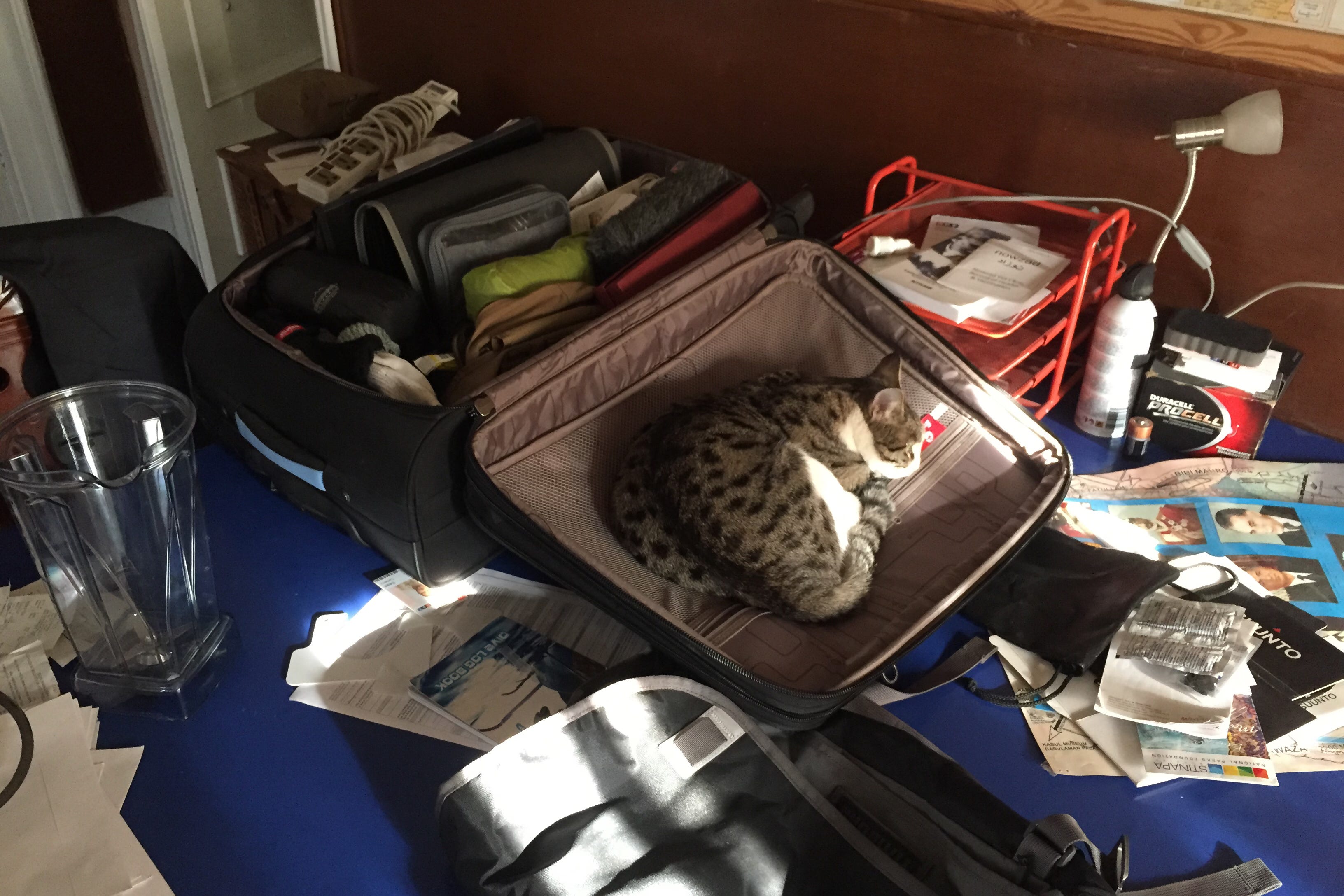
With everything packed, all that was left to do was say goodbye to the Afghan staff. We were all somewhat numb. None of us really knew what was next in our lives. I had tried to find other jobs for my driver, doormen, cook, and housecleaner. Some had been with the NPR bureau since long before I arrived as NPR’s last Kabul-based correspondent. But it was a difficult time with many news, development, and humanitarian organizations downsizing with the international military mission concluding its combat phase and transitioning to a train, advise, and assist operation—along with ongoing counterterrorism operations—starting January 1, 2015.
Some of my staff had found part-time work with other organizations, including the one that was taking over the house NPR had been renting for at least the previous seven or eight years. Other staff were in limbo and would have to live off their severance pay—one month for each year they worked with NPR, which was Afghan labor law. It was probably one of the few laws rigorously followed in the country at the time.
It was a difficult moment for all of us as they were staying behind in a country that we all knew was going to continue to decline economically and security-wise as the international community continued to draw down its military presence and humanitarian and development assistance. Their futures, after years of working for an international news organization and getting paid far more than Afghans who did not work with outside organizations, were not particularly bright.
My future—as a Magic Eight Ball might say—was also hazy.
When I moved to Kabul in 2012, my assignment was to stay through the end of 2014 and then shutter the bureau. In theory the war was going to be over by the end of 2014, so NPR had decided there was no need to continue to maintain an expensive bureau in the country.
However, in late summer of 2014 I tried to convince management to maintain a small presence through at least the first half of 2015 to see where things were going to head under the new phase of the mission. While there was agreement that editorially it did make sense for me to stay in Kabul—I had pitched renting a room at another news organization’s house at a fraction of the cost of the NPR bureau—there was no money available. The budget had been baked in long before, and NPR was going through another contraction and laying off staff and canceling programs.
That’s largely why my time was ending at NPR and my future uncertain. I had completed my assignment, and with the organization laying people off, there was no position available for me after Kabul.
I contemplated staying in Afghanistan as a freelancer, but after years of having a salary and benefits, housing and staff paid for, a security contractor, hazard insurance, and the cache of working for a major news outlet, I decided I was way too old for the freelance life in a place like Afghanistan.
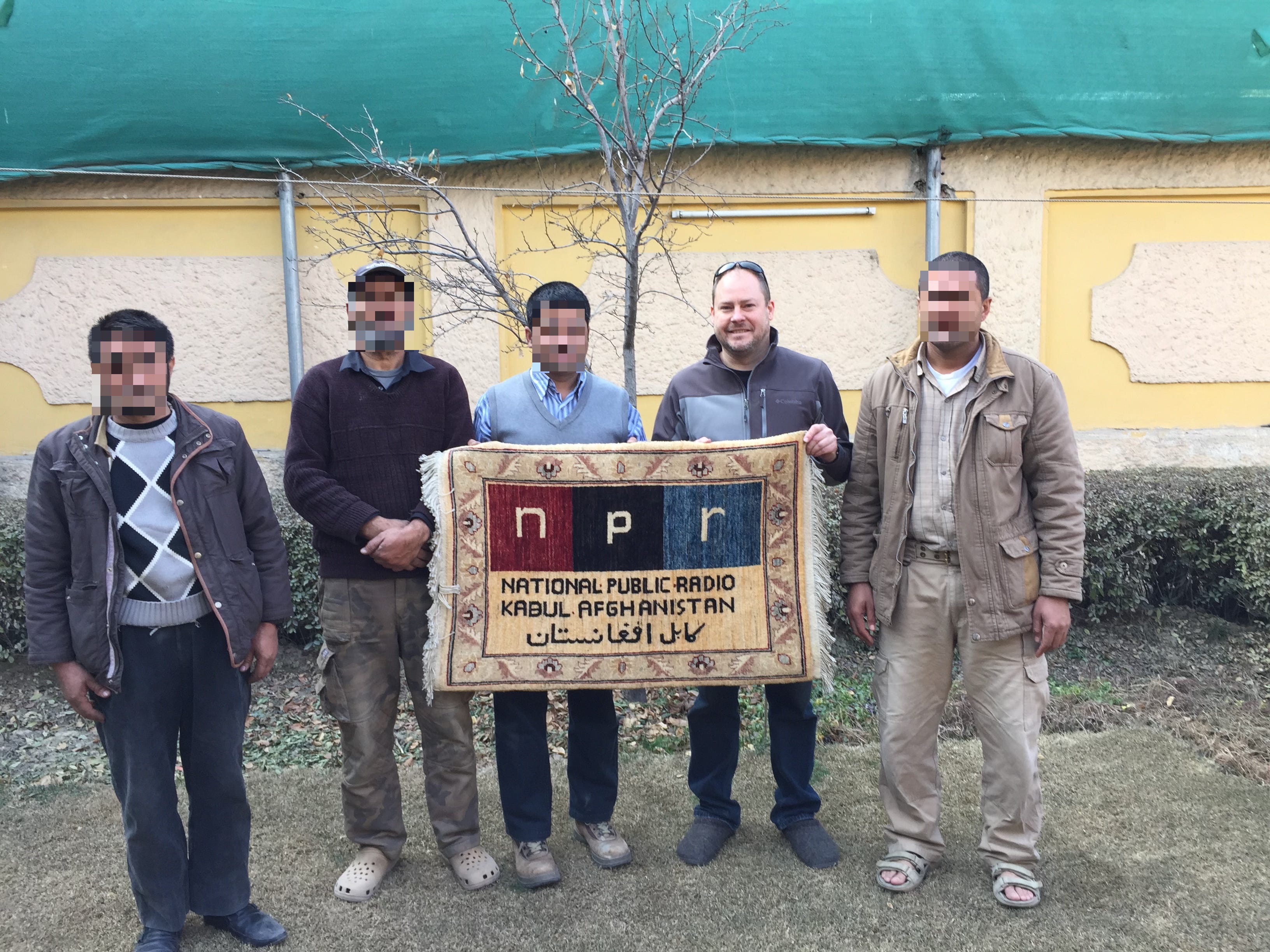
So, after we took some farewell photos in the yard of the compound, the staff and I hauled my two hockey bags, two suitcases, a guitar in a road case, a guitar in a gig bag, and my carry on backpack out of the compound and loaded all the bags into the SUV of a guy who ran one of those “don’t ask, don’t tell” kind of services in Kabul. He could expedite, or outright bypass, the numerous security checkpoints getting into the airport. Basically, you gave him $200 and you’d meet up with him in the parking lot closest to the airport reserved for dignitaries, UN officials, and other connected people.
I rode to the airport with my driver, who didn’t say a word the entire drive through the city. To be fair, he only spoke about 10 words of English, but also, what was there to say at that point?
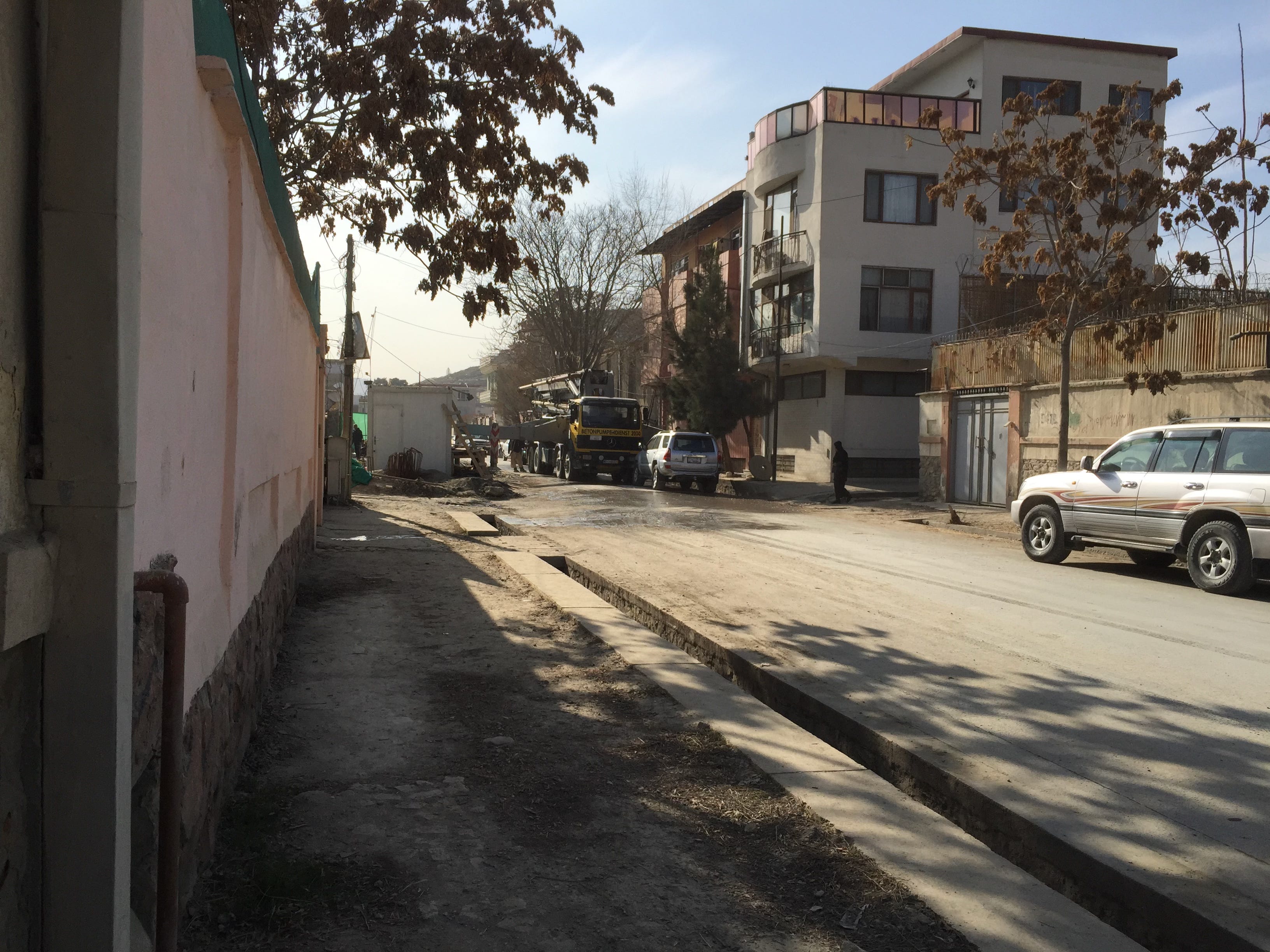
I wouldn’t quite say I felt guilty about leaving the Afghans behind, especially since it wasn’t my call, but I felt bad for them having to continue living in a country in decline. I was also lost in my own daze over how I was going to miss the work and the people, Afghans and expats.
Traffic was light by Kabul standards, and we passed through the dusty streets lined with clothing shops, cafes, fruit stands, and wedding halls—all looking tired from years of war, pollution, and uncertainty.
I had flown out of the airport so many times by then that I could sleepwalk through the process. Step one, at the entrance gate off the traffic circle, get out of the car, show passport, walk through x-ray, and get back in the car. Drive to another circle, turn right, and pull into the next checkpoint. Take all bags out of the car and put them through an x-ray machine while security officers conduct a search of the car. Load everything back into the car and drive to a parking lot.
I said goodbye to the driver and walked through a small hall with cafes and shops and continued the process: exit the back, walk past money changers and other vendors to a lot full of rickety shuttle busses. Get on a bus that drives maybe 50 yards to another parking lot. Exit bus and pass through another bag x-ray shed.
Then, walk to the next parking lot and meet the mystery guy with the rest of your bags and load them onto a hand cart. Walk another 100 feet to a bag x-ray just outside the airport. Then, enter the airport and go through metal detector and hand search and run the bags through another x-ray. Proceed to the check in counter and drop bags.
Next up the stairs to passport control. While in the serpentine line waiting to exit immigration for the last time, I typed my farewell morning advisory to the news desks:
In the immigration line at Kabul airport. Given the length of the line I’m hoping I’ll get though in order to catch a flight on Wednesday. The reason many flights leave late here is because they can’t process people through immigration and security in any remotely efficient fashion.
Anyhow, this is my farewell advisory. It’s been a whirlwind 2.5 years I’ve spent covering Afghanistan for NPR. It’s a job I started dreaming about shortly after 9/11 and I’m glad it became a reality.
Since I’ve been here many things have changed, many have stayed the same. This country has been cursed by 13 years of unrealistic expectations and promises there was no chance of realizing. It’s going to be a long and very rough road ahead for this place.
I’ve covered everything from elections to house fires to juggling contests to more attacks than I can count, some of which claimed the lives of friends. It’s been a lot to process, and I’ll continue processing it for some time.
Through it all, there’s one thing that kept me going and that’s every time I said, “Sean Carberry, NPR News, Kabul.” That’s been one of the most satisfying things in my career and a source of pride to represent this organization here.I wish I could stay on and keep saying that, as this story will continue to be important.
Alas, the bureau is now closed. It’s the second time I’ve been involved in closing a bureau for NPR, and I can say it’s a lot more difficult doing it solo.
There was a lot going on in that message. There were clearly a couple of veiled digs at management: that we shouldn’t be abandoning the story, and that unlike when I was an NPR producer who helped the Baghdad correspondent close that bureau in December 2011, NPR didn’t send anyone to help me close out the Kabul bureau.
I was definitely a bit crispy on many levels when I sent that message. I had spent years covering wars and human suffering, and that had taken a toll. I was also crushed that my time at NPR was coming to an end. Being an NPR international correspondent was the high-water mark of my career, probably of my life, to this point.
I expressed a clear desire to stay on with the organization after Kabul, but budget cuts and changes in management—managers who had my back retired, took buyouts, or otherwise left in late 2013 through early 2014—meant I was a victim of numbers and bad timing.
As I noted in my farewell email, leaving Kabul was closing a 13-year chapter of my life that began on 9/11. I was early in my journalism career then, and the attacks of that day and then the invasion of Afghanistan stirred something in me. I decided then I had to cover that story.
It took years to work my way up the journalism ladder, and in January 2009, I made my first trip to Afghanistan. That was followed by several more years of parachuting into conflict zones and finally in summer 2012, NPR tapped me to be the organization’s last Kabul-based correspondent.
That assignment was everything to me. It was the story I had longed to cover. It was the official joining of the tribe of foreign/war correspondents and other expats who worked in those environments. I felt at home in that world and that work. It was the Star Trek nexus. It was my Rushmore.
It was some of the most challenging and fulfilling work I’ve ever done. It was an incredibly difficult period for Afghanistan and those of us there. Numerous friends and acquaintances were killed in 2013 and 2014. Security got worse, conditions deteriorated, and it took a toll on all of us.
But telling the story, doing the work, and living in the tribe was where I wanted, and I think needed, to be. Even if my time in Afghanistan had a December 2014 expiration date, I had every intention of continuing that work—doing international journalism, covering difficult stories, and living among the expat/internationalist tribe.
But on December 13, 2014, that ride came to an end, against my wishes.
As I passed through immigration and the last security check before entering the departure hall, I was simply unable to process what I was thinking and feeling. I was going through the motions of transiting the airport and getting on the afternoon Fly Dubai flight.
I was in a daze the entire flight and barely remember it. I had my usual long layover in Dubai and went to the 1847 spa at the Emirates Towers for one last massage by Lawan, a sweet Thai woman who had been my regular masseuse at the spa since 2009. After a sushi dinner, I returned to the airport for the United flight to Dulles. I had upgraded to first class and spent the first half of the flight consuming all the wine I could to numb myself as the 777 hurtled away from the life I had spent years building and toward a new chapter, one that frankly I had no interest in writing at that time.
At 8am on December 14, 2014, I walked into my condo in D.C. I hauled my two hockey bags, two suitcases, guitar case, gig bag, and backpack into my living room and sat down on the couch. Before me were empty bookcases and shelves. It was silent.
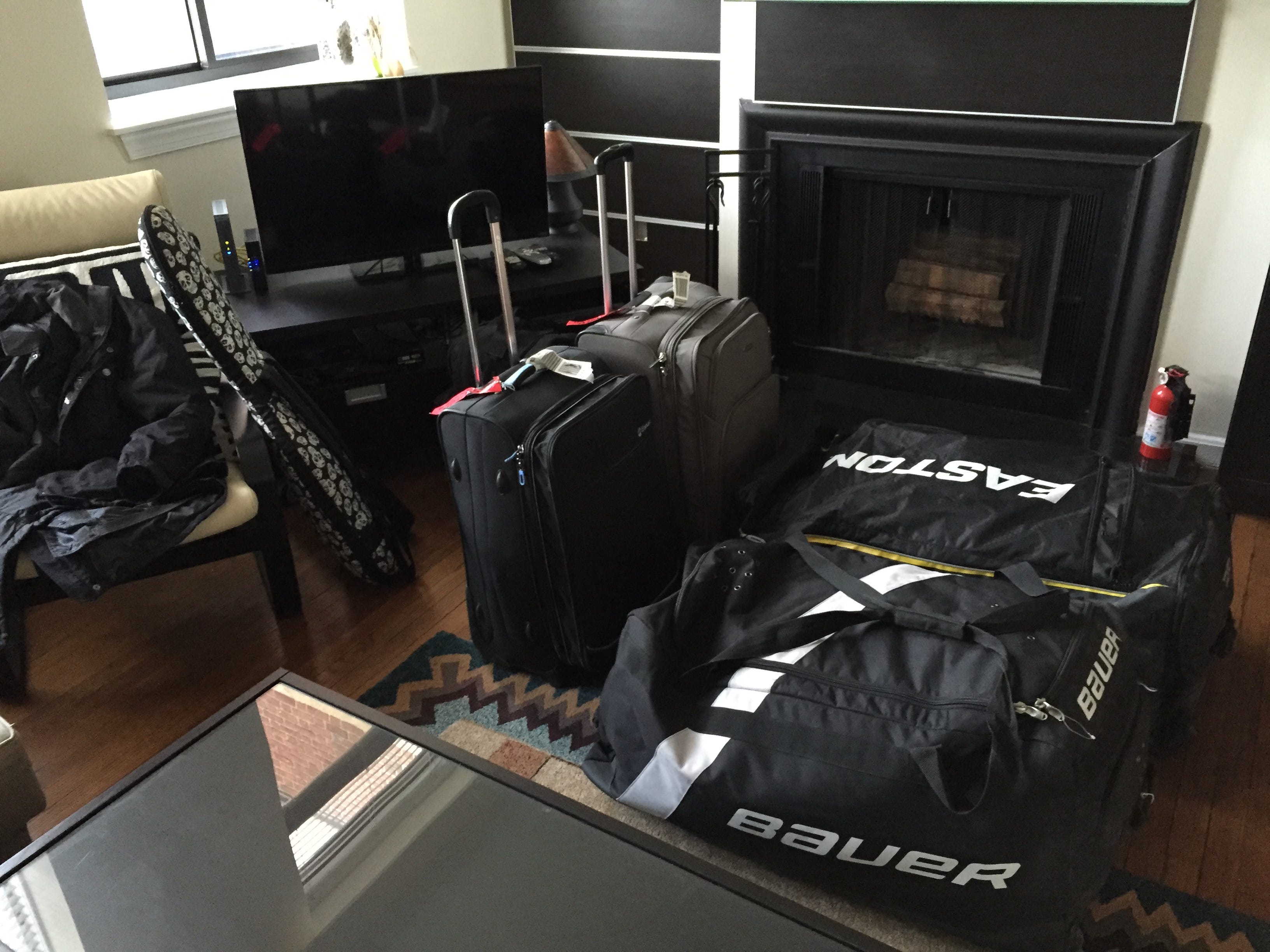
It was also a metaphor. I had nothing at that moment—no job, no relationship, and no idea what would come next. It was my “The Candidate” moment—what do we do now?
In the 11 years since, I lived out just about every cliché of being a former war correspondent: multiple career paths, a disastrous—and fortunately very brief—marriage, mental health struggles, an expensive phase as a “high roller” at Maryland Live Casino (I have a long-form essay about that chapter of my life I’m trying to get published somewhere), and, of course, I wrote a book about my journey into and out of being a conflict journalist: Passport Stamps: Searching the World for a War to Call Home.
The subtitle came to me after I had completed the first draft in September 2021. As I wrote about, I had been on a search for the place—physical, career, emotional—where I felt at home. I found that home as a journalist in Kabul.
On December 13, 2014, that came to an end. I have felt existentially homeless since then.
Here’s hoping you’re able to be “home” for the holidays (by the way, autographed books make great gifts), and best wishes for 2026.